Cost of Starting a Monogram Business in Nigeria (2026 Full Breakdown)
Starting a monogram business in Nigeria remains one of the smartest moves for tailors, fashion designers, and side-hustle entrepreneurs who want steady cash flow from personalized products. Clients pay premium prices for names, initials, logos, and decorative designs on agbada, corporate shirts, caps, towels, polos, school uniforms, and gifts. Demand is consistent year-round, with peaks during festive seasons, back-to-school, corporate events, and weddings.
This guide gives you a no-fluff, 2026-updated breakdown of exactly what it costs to start and run the business profitably. You will see realistic Naira figures, machine recommendations based on actual shop experience, hidden costs most beginners ignore, and practical ways to hit break-even faster.
Quick Answer: How Much to Start a Monogram Business in Nigeria?
- Bare-bones home setup (low volume): ₦6M – ₦9M (one decent single-head machine + basics).
- Proper small workshop setup (recommended for most starters): ₦8M – ₦12M.
- Mid-scale with multi-head potential: ₦15M+.
These numbers assume you buy functional commercial equipment, not toys. Expect to recover your capital in 8–18 months with consistent marketing and quality work.
[Internal Link:
Choosing the Right Embroidery Machine in Nigeria → Suggested Target Article on embroidery machine buying guide → Placement: After machine section]
Cost Breakdown Table (2026 Realistic Ranges)
Prices fluctuate with exchange rates, import duties, and supplier location (Lagos and Abuja are usually more expensive but have better support). Always inspect and test before paying full.
Core Equipment
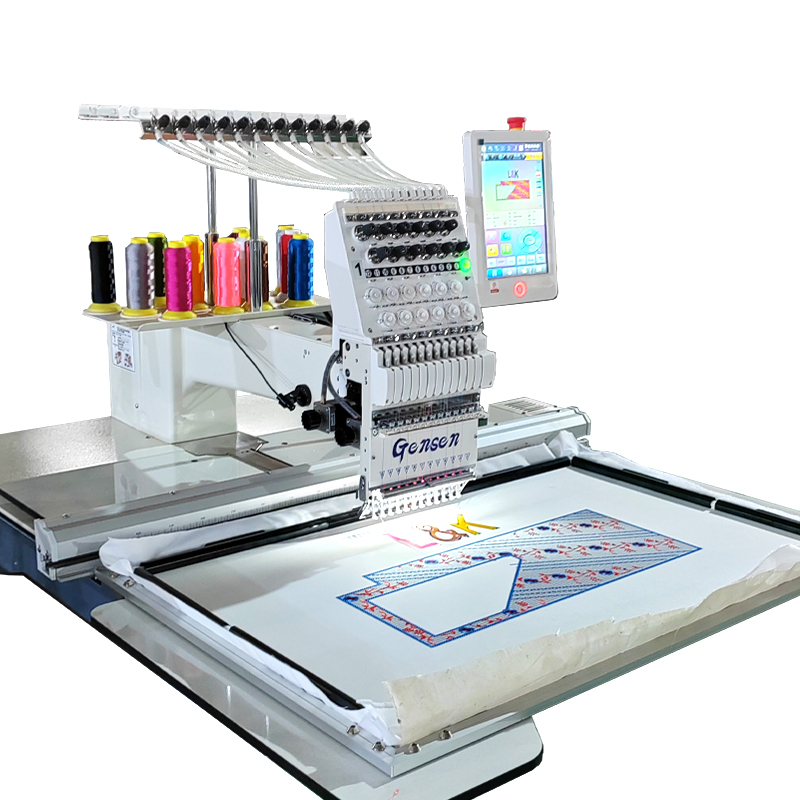
- Single-head commercial monogram/embroidery machine (12–15 needles, 400x600mm or larger 500x1200mm for agbada): ₦4.5M – ₦8.5M (most realistic good units ₦6M–₦7.8M). Larger frames for agbada fronts and pockets add value.
- Multi-head (2–4 heads for higher volume): ₦8M – ₦18M+.
- Laptop or desktop for digitizing software (Wilcom or built-in): ₦300,000 – ₦800,000.
- Stabilizer/UPS (critical for sudden power cuts): ₦150,000 – ₦400,000.
- Hoops, cap attachment, tools, threads, backing, needles (initial stock): ₦400,000 – ₦800,000.
Power Solution (Non-Negotiable in Nigeria)
- 3.5–5kVA generator + fuel for first months: ₦400,000 – ₦800,000 upfront + ₦100,000–₦200,000/month running (depending on hours).
- Better long-term: Solar/inverter hybrid system (sized for machine + lights + fan): ₦1.5M – ₦3M. Pays for itself in 12–24 months versus generator fuel. Embroidery machines draw moderate power (500–1200W range), but surges and clean power matter for electronics.
Workspace & Setup
- Shop rent (small space in busy area, 1–2 years advance): ₦300,000 – ₦1.5M+ depending on location.
- Basic furnishing, tables, lighting, signage: ₦300,000 – ₦600,000.
- CAC registration + tax basics: ₦50,000 – ₦150,000.
Marketing & Operations
- Phone, WhatsApp Business, Instagram setup, flyers, samples: ₦150,000 – ₦400,000.
- Initial digitizing services or training: ₦100,000 – ₦300,000.
Total Realistic Startup Range: ₦8M – ₦15M for a serious, sustainable start. You can begin smaller from home, but power outages and space will limit you quickly.
Machine Buying Insights from Real Operation
Single-head machines suit beginners and medium volumes perfectly. You handle one item at a time but can produce quality monograms on agbada flaps, chest pockets, caps, and towels without complexity. Larger embroidery area (500x1200mm) is gold for Nigerian fashion — clients love full agbada sets.
Trade-offs:
- Cheaper machines (<₦5M) often have poor after-sales support, frequent breakdowns, and bad tension control. You waste time and thread fixing issues.
- Established brands like Two Lion, E-Brother, Futong, or DAHAO-backed offer better reliability and local technicians. Pay for support, not just the box.
- Multi-head machines multiply output but require more skill, space, and steady orders. Start single-head, upgrade later.
Common costly beginner mistake: Buying only on price without testing stitch quality on different fabrics (cotton, ankara, silk, caps). Test multiple designs and ask for warranty, installation, and training. A machine that breaks every two weeks destroys profit.
Running Costs and Profit Realities
Monthly Operating Costs (Small Setup):
- Power (generator or inverter): ₦100k–₦250k.
- Threads, backing, needles, maintenance: ₦150k–₦300k.
- Rent: ₦50k–₦150k.
- Apprentice/marketing/misc: ₦100k–₦200k.
- Total: ₦400k–₦800k.
Pricing Examples (Lagos/Abuja 2026):
- Simple name on shirt pocket: ₦3,000–₦6,000.
- Full agbada monogram set (front, flaps, pockets): ₦15,000–₦35,000+.
- Corporate logos on 10 polos: ₦4,000–₦8,000 each.
- Caps or towels: ₦2,500–₦5,000.
With 15–25 quality jobs per week, you can clear ₦1.5M–₦3M+ revenue monthly after a few months. Margins are strong (50–70% on labor once machine is paid) because materials are low-cost. Seasonal spikes (December, September school rush) boost this significantly.
Insight most articles miss: Nigerian clients prefer bold, visible monograms on luxury fabrics. Master puff/3D effects and chenille for premium pricing. Also, pair with heat press or direct-to-garment for hybrid orders — many jobs combine embroidery with printing.
Step-by-Step to Launch
- Learn basics — Operate the machine yourself first. Train on scrap fabric for tension, hooping, and digitizing.
- Buy machine from suppliers who offer demo, installation, and 6–12 month support.
- Set up power backup immediately. Sudden cuts mid-design ruin jobs and needles.
- Build portfolio — Embroider samples for friends, family, churches, and small businesses at cost or free for photos.
- Market aggressively on WhatsApp, Instagram, and local tailor networks. Offer corporate uniform packages.
- Digitize efficiently — Outsource complex logos initially, then learn software.
Maintenance Tips That Save Money
- Clean and oil regularly — Dust from fabrics kills machines fast in Nigeria.
- Use quality threads and stabilizers to reduce breaks.
- Keep spare needles, bobbins, and a technician contact.
- Run on stable voltage; UPS prevents board damage during outages.
Warning: Ignoring power stability is the top reason new monogram businesses fail or lose clients. A good inverter or solar setup is not a luxury — it is production insurance.
Common Mistakes to Avoid
- Starting with a domestic/home embroidery machine that cannot handle commercial volume or thick fabrics.
- Underpricing to get orders — You train clients to expect cheap work.
- No backup power plan.
- Poor hooping technique leading to puckering and rejects.
- Buying without local spare parts availability.
Expert Tips for Nigerian Market
Focus on agbada, aso-oke inspired designs, corporate branding, and school uniforms — these move fastest. Build relationships with tailors who do not have machines; they send overflow work. Offer rush service at premium during peak seasons. Track every job cost (thread, time, power) so you price profitably.
Another missed insight: Many successful operators start by monogramming for existing customers (e.g., their tailoring clients) before going full retail. This reduces marketing cost dramatically.
Frequently Asked Questions
Can I start with less than ₦5 million?
Yes, but expect limitations in speed, quality, and reliability. Many “cheap” machines lead to frustration and lost clients. Save or finance for a proper single-head unit.
How long until profit?
3–6 months to consistent jobs, 8–12 months to recover capital with good marketing.
Is generator enough?
It works but eats profit. Plan solar transition early.
Best location?
Near markets, universities, or corporate areas. Home-based works initially if power is manageable.
Do I need to learn digitizing?
Basic yes. Complex logos can be outsourced affordably.
Final Recommendation
Start with a solid single-head commercial machine (aim for ₦6M–₦7.8M range with large frame), strong power backup, and aggressive local marketing. The monogram business rewards quality and reliability more than anything else in Nigeria. Clients return and refer when stitches are clean, durable, and delivered on time.
Focus on solving real customer needs — beautiful personalization that stands out — and the numbers work. Scale by adding heads or staff once orders exceed your single machine capacity.
The cost of starting a monogram business in Nigeria is real, but so is the demand and margin when done right. Get the equipment, master the craft, and deliver consistently. You will build a profitable operation.