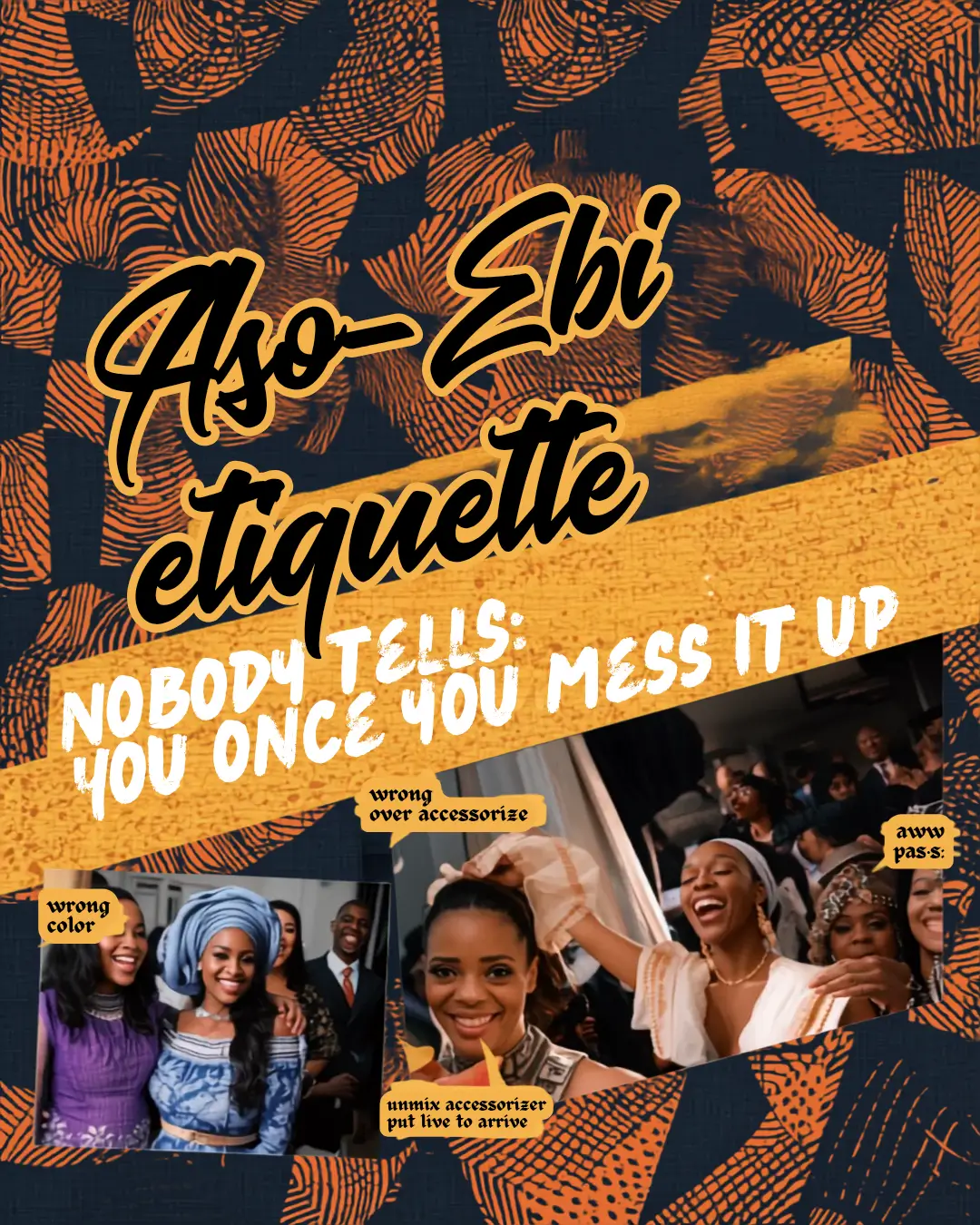
Aso-Ebi etiquette nobody tells you until you mess it up
Nobody hands you a rulebook when you get your first aso-ebi invite. You just… figure it out. Usually by getting something wrong first.
The first time I got carried along on an aso-ebi list, I said yes before I even asked how much it cost, or whether “yes” meant I was expected to show up looking a certain way, spray money a certain way, and never mention that outfit again after that Saturday. I had no idea there was a lot more to the invitation, things that if I knew before I got the invitation, I wouldn’t just shout yes.
The rules are so many yet, Nobody actually takes their time to explains the rules, they assume we all know when we don’t. At the end of the day, you just learn them one uncomfortable moment at a time, lolz.
I put together a list of 7 things no one will tell you until you mess up, things that I feel, knowing them early will save you a whole lot more than you think.
1. Paying for Aso-Ebi isn’t optional, but mow much is negotiable
There’s an unspoken rule that once you’re “carried along” as aso-ebi, you’re expected to buy. But the amount, timing, and even whether you can opt for a cheaper version of the same fabric is more flexible than most first-timers realize.
I don’t think there’s anything wrong with asking, politely, whether a lower-cost version of the fabric exists, most coordinators have one, they just don’t advertise it. What doesn’t work is going silent until the deadline and hoping no one notices you never paid.
2. There’s a difference between “Family Aso-Ebi” and “Friend Group Aso-Ebi”, and the rules change
Family aso-ebi (close relatives of the celebrant) tends to carry more obligation and less room to opt out. Friend-group or “aso-ebi for guests” is usually more casual, and the social cost of skipping it is lower.
Most of the time, I think a lot of the tension comes from people treating friend-group aso-ebi like it’s mandatory family aso-ebi. If it’s a wide friend-circle list, opting out quietly and just dressing well in the colour of the day should be completely fine, but plenty of people don’t feel safe doing that without an explanation. And that’s more like a part of us, we tend to feel….smiles.
3. That finished Aso-Ebi outfit belongs to that wedding, not the next one
Here’s a rule newer guests rarely hear until they break it: wearing the exact same sewn aso-ebi outfit to a different family’s wedding is generally considered poor form. The fabric was chosen for that specific couple’s celebration, so recycling the finished look elsewhere can come across as careless, even if no one says it to your face.
Honestly, I think this rule made more sense before phones and Instagram made it easy to spot a repeat outfit across two different wedding albums. But until that norm changes, showing up in someone else’s aso-ebi at a new event is still a risk, better to save it for casual, non-wedding occasions instead.
4. If you don’t have Aso-Ebi, don’t wear its exact color either
This one surprises people: even guests who aren’t part of the aso-ebi are expected to avoid showing up in the exact same fabric or color as the family’s aso-ebi. It can look like you’re trying to blend into the family photos without actually being part of the group, many couples get around this by naming a separate “colour of the day” specifically for non-aso-ebi guests.
This is one rule I actually think is fair and easy to follow, always ask about the “colour of the day” before the event, not just the aso-ebi colour. It takes one message to the couple or a bridal party member, and it avoids an entirely avoidable awkward moment. Just imagine you showing up in the midst of your friends, having the same color of material but completely different design from the others.
5. Not wearing Aso-Ebi when it was given to you sends a message, whether you mean it to or not
If aso-ebi fabric was distributed to you specifically, not wearing it is noticed, and at traditional ceremonies especially, it can be read as disrespectful, even if that was never your intention.
If cost is genuinely the issue, I think it’s better to say so early and quietly to whoever’s coordinating than to show up without it and let people assume the worst. Most families would rather know in advance than guess at the wedding.
6. Spraying money? The notes matter as much as the gesture
This one isn’t strictly about the outfit, but it’s part of the same unspoken etiquette web around aso-ebi events: if you plan to spray money on the couple, the notes need to be fresh. Torn or old notes are considered disrespectful, even though the gesture itself is welcomed and expected.
I don’t think this is people being overly strict, spraying torn or dirty notes just doesn’t read as a gift, it reads as an afterthought. If you’re planning to spray, it’s worth the small extra effort of getting crisp notes beforehand.
7. The etiquette around asking others to pay you back
Whoever is coordinating aso-ebi purchases (often a bridesmaid, sister, or committee) ends up in the awkward position of chasing people for money. There are better and worse ways to do this.
Even though we Nigerians tends to be dramatic, starting with a clear deadline stated once, upfront, saves everyone the awkwardness later. The worst version of this is vague reminders in a group chat that everyone can see but no one responds to, a direct, one-on-one nudge closer to the deadline tends to actually work.
Closing
Aso-ebi etiquette isn’t written down anywhere, but it’s real, and it’s not going away. If anything, with more weddings being documented online, the unspoken rules now matter more than ever, because a mistake doesn’t just embarrass you at the event, it lives on in someone’s wedding album forever. Try to learn the core rules once, and you’ll never have to relearn them the hard way.